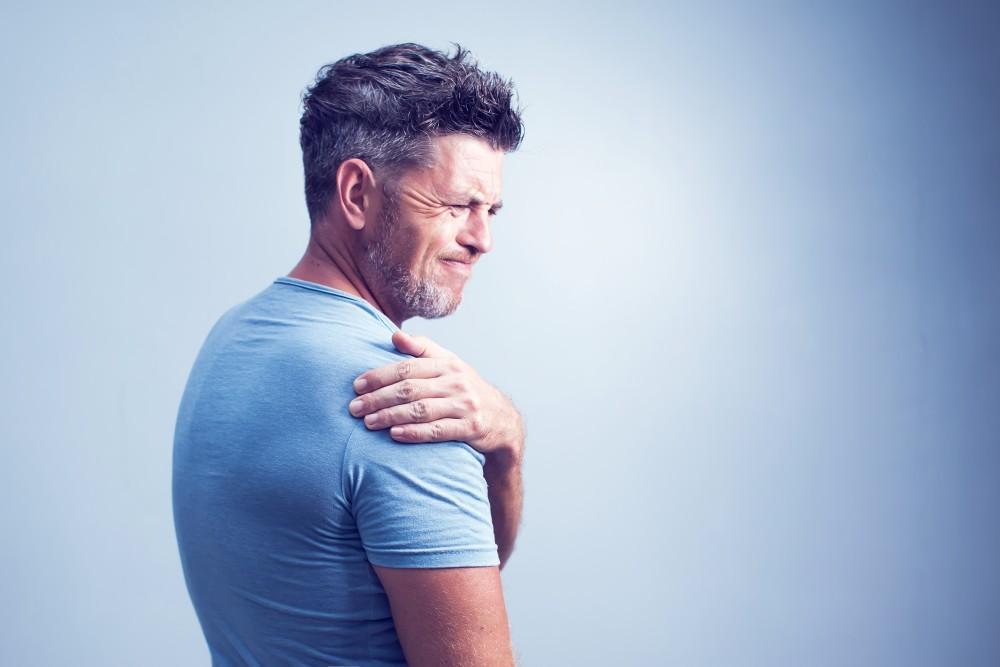
Nearly 8% of US adults (about 16 million people) struggle with chronic back pain. If you’re one of them, activities such as exercising, spending time with friends, or even getting a restful night’s sleep can seem out of reach. If your pain is severe, you might even assume that surgery or prescription pain medications are the only effective treatment options.
Thankfully, that isn’t necessarily the case. At LiveWell Pain Management, interventional pain doctor Nora Taha, MD, offers several types of nonsurgical treatment for chronic back pain, including acupuncture and regenerative medicine.
Read on to discover several nonsurgical treatment options that may offer lasting pain relief.
Understanding when back pain is considered chronic
Back pain is considered chronic when it lasts for over 12 weeks, or approximately three months. That’s true if your pain persists even after the initial injury or underlying cause has healed.
Experts don’t know why chronic back pain happens, but several factors are thought to contribute, including genetics and environmental triggers. Sometimes, the way your body senses and signals pain changes.
3 nonsurgical treatments for chronic back pain
Regardless of what’s causing your chronic back pain, surgery isn’t always inevitable. Here are three nonsurgical alternatives worth exploring.
1. Physical therapy
Physical therapy uses targeted exercises and hands-on, manual therapies, such as massage, to strengthen muscles and improve overall flexibility. With a professional’s guidance, you can even focus on specific movements or body parts contributing to your pain.
It’s important to understand that physical therapy isn’t a quick fix. For optimal results, you must participate in weekly and sometimes daily PT sessions. Follow your provider's instructions carefully and don’t push yourself too hard. Increasing your activity level too quickly can lead to reinjury and affect your recovery.
2. Acupuncture
Acupuncture is a type of Traditional Chinese Medicine (TCM). It involves inserting very thin needles into specific points on your skin along pathways called meridians.
That process helps stimulate your nervous system, interrupting how pain signals reach your brain. It also encourages the release of endorphins, pain-relieving chemicals that your body naturally produces.
Together, these factors may ease chronic back pain and help you return to your normal routine.
3. Regenerative medicine
Regenerative medicine uses biological materials, such as stem cells and platelet-rich plasma, to support your body’s healing process.
Dr. Taha offers two types of regenerative medicine: platelet-rich plasma therapy (PRP) and stem cell therapy. PRP is often used to heal soft tissue injuries, such as torn muscles and cartilage, while stem cell therapy may help reduce inflammation and repair damaged spinal tissues.
Evidence for PRP and stem cell therapy relieving chronic back pain is limited, and currently, the FDA hasn’t approved these treatments for that purpose. However, in certain situations, some people do experience pain relief.
After reviewing your health history and discussing your treatment goals, Dr. Taha can make personalized treatment recommendations.
Tired of living with chronic back pain?
If chronic back pain is interfering with your quality of life, request an appointment online or call the nearest LiveWell Pain Management office in Elmwood Park, Englewood, or Paramus, New Jersey. Nonsurgical treatment can help you find lasting relief and make it easier to return to work and other responsibilities.